
ABOUT
The Center for Tree-Ring Science (CTRS) consists of faculty, staff, students, and facilities dedicated to the science of dendrochronology. Dendrochronology is the science associated with dating and interpretation of annual growth rings in trees which can inform a wide variety of disciplines and decision making. At CTRS, we specialize in using tree-rings to reconstruct past climate conditions, characterize historical fire regimes, study forest growth dynamics, date historic structures, and more.
Learn More



From the CTRS archives: This is a bur oak cross section that grew along a creek in northern Missouri 3950 years ago. It has 190 tree rings which provide a valuable record of yearly climate information from the time when it was growing. Environmental conditions such as historical droughts and late spring frosts are preserved in these rings. Oak wood is typically brown, but turns black over thousands of years when buried in waterlogged conditions with little oxygen. … See MoreSee Less
Have you ever seen wood that carousels up a tree? There is a lot of speculation on why trees form a spiral grain from prevailing winds, to nutrient uptake, the Coriolis effect, or old age. It is often seen on snags that have lost their bark, and across many tree species. Pictured is a red pine in New York and the top and side view of a Missouri cedar, both displaying spiraling grain. … See MoreSee Less
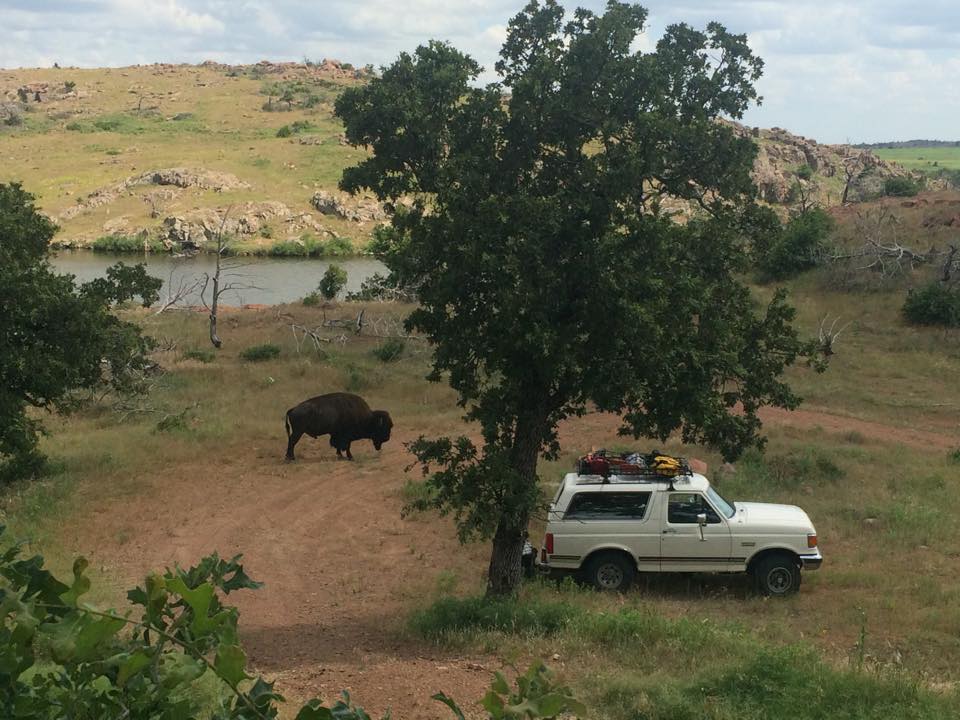
Recent fieldwork in Texas Hill Country! Working with Wildland Fire Management Specialist, Mike Lloyd, from the Texas Parks and Wildlife, CTRS conducted data collection for tree species, fire history, and cedar history of the Post Oak Ridge State Park. Soon to be opened to the public, this unique forest ecosystem spans over 3,000 acres and dotting the landscape are remnants of 100+ year old axed cedar stumps from the elusive laborers of the time known as the cedar choppers. We are grateful for the opportunity to be a part of the careful planning and research of this magnificent site! … See MoreSee Less
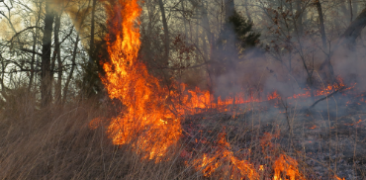
One ongoing CTRS project investigates fire effects on yellow pines in the Sierra Nevada. Fire suppression has occurred in this forest since the 1870’s which has dramatically changed the forest landscape as well as increased fuel for wildfire events. CTRS post-doctoral fellow Laura Marshall, and others, including our collaborators aU.S. Forest Service – Research and Developmentop#forestproductslabctslaCollege of Forest Resources, Mississippi State Universityersity Department of Sustainable Bioproducts, have been collecting data in these forests for the past 3 years. As this project wraps up, we will have exciting new perspectives on fire and wood quality in postfire landscapes! … See MoreSee Less
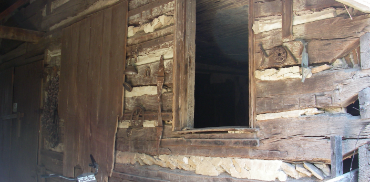
From the CTRS archives: This cross-section is from a white oak tree that was cut in 1871 and then used to construct an early barn in southern Boone County, Missouri. This date was determined by matching the pattern in old living trees growing in nearby forests. This method of tree-ring dating makes it possible to date many types of historical wood objects and artifacts, such as musical instruments, tools and implements, dugout canoes, and art panels. … See MoreSee Less
Located in the lobby of Mizzou School of Natural Resources, this 300-year-old bur oak grew in the beautiful marshes of Big Oak State Park, "80 acres of giants and botanical oddities… a small reminder of the thousands of acres of magnificent timber that once clothed the flat lands of the bootheel.” This section was cut from 50 feet up the tree, as its dbh, or diameter at breast height, was 21 feet around! Not hard to imagine that when felled, this state champion tree, "actually lifted the feet of spectators from the ground.” Thanks to our undergrad technicians, Max and Adrianna, for standing in for scale next to this magnificent piece, which is still studied to this day for flood history! … See MoreSee Less
Although our research focuses heavily on fire scars, tree injuries don't just come from fire. Bees, beetles, birds, deer, lightning, frosts, and tornadoes also some of nature's culprits of tree damage. We can still date these injuries. Check out the cedars that hold carpenter bee tunnels, a century record of sapsucker visits, and years of white-tailed deer buck rubs! … See MoreSee Less
Have you ever heard a tree grow through time? The acoustic expression of tree-rings can give us a sense of time, life, and environment like few other data sets can. This audio is of growth patterns of a blufftop cedar located along the Jack’s Fork River in Missouri, ranging during the years of 1519 to 1881! … See MoreSee Less
We are humbled by two awards of distinction from the recent 6th Biennial Shortleaf Pine Conference, what an honor! The Shortleaf Pine Initiative is leading the way in restoration and conservation of shortleaf pine ecosystems across the eastern United States, check out their resources here: shortleafpine.org/shortleaf-pine-initiative/about-the-initiative … See MoreSee Less